I grew up without satellite or cable. The limitation of terrestrial TV inspired some odd viewing choices. Perhaps none as strange as the BBC’s viewer opinion show Points of View.
For some context, I’ve looked into the dates.
I can remember watching Anne Robinson present the show. According to the ever reliable source Wikipedia, Anne presented Points of View from 1987 (a fine year! – I was born) until 1997. This would suggest I was watching the show at least as early as 9 or 10.
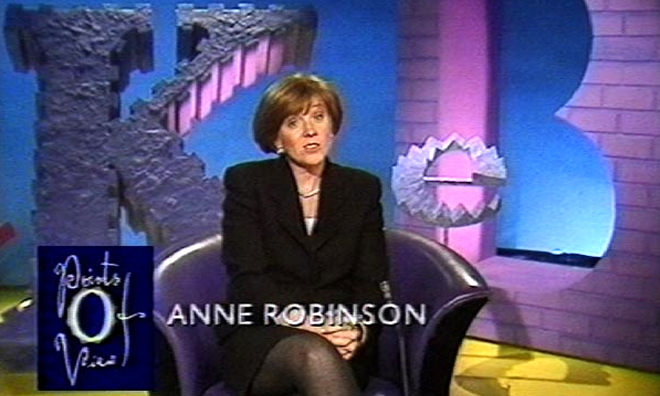
That doesn’t seem right does it? Maybe they were repeats. Like I said though, you watched what you could when you were restricted to 4 channels (we never got Channel 5 “down here”).
Looking at the presenters who followed, it was Carol Vorderman in ’98, then Des Lynam in ’99, before Terry Wogan (RIP) took over for an eight year run from ’99 to 2007. All of these are ringing bells, but the real stars of the show were always the irate viewers who wrote in.
I don’t know what it was about hearing people getting het up about TV shows that entertained me. Perhaps somewhere in the mix was that same magic formula that’s kept us watching Gogglebox for 9 years, 25 seasons and 294 episodes (at the time of writing).
I also enjoyed watching the sort of talking head / vox pop nostalgia shows that some people find insipid. My Dad hated them. He couldn’t understand why anyone would want to listen to C-Z list celebrities recounting the top 10 moments of the 1990’s. I continued quietly enjoying them because I found other people’s opinions fascinating, whether I agreed or not.
In most cases I probably didn’t have an opinion yet and perhaps hearing a variety of voices helped me form my own.
Glitter in the cesspit
Maybe this is what made me a prime candidate for being an early adopter of Twitter. Here are my first 5 tweets from September 2008. There’s a couple of highly controversial opinions at play here.
- I’ve just figured how to post from my phone, stay tuned for regular updates.
- Score. Found the last Hello Kitty Pez I needed to complete the set
- Coke will always taste better from a glass bottle.
- Darby’s Corner is still the best petrol station. £1.09 per litre, take advantage.
- Currently watching Trigger Happy TV repeats. Ace soundtrack.
These days I struggle to look at the platform. From time to time I may decide to recommit for a particular project or purpose, then, soon enough find it to be a strain on my mental state once again and far from being worth the little benefit it offers me.
It’s a far cry from 13 years ago when I would meet with two friends at the pub on a Monday night for what became known as ‘Twitter Club’ (shout out to Tom and Ed). We called it this because we’d mostly discuss the interesting or entertaining things we’d seen on the platform in the past week, and also because were the only three people we knew personally who were on it at that time.
Where did it all go wrong, huh?
I really like documentarian Jon Ronson’s take on how Twitter became the hostile environment it is today. He explains it as having been an empowering tool initially, allowing people without power to hold those with it (governments, corporations, celebrities) to account. Only we became addicted to the power and now crave the fix that any opportunity to call someone else out on the platform Twitter provides.
Of course, this mentality isn’t exclusive to Twitter. It’s become almost self perpetuating as it spills out across the internet, fuelling what we’ve come to known as click bait. The angriest opinion drives the fastest click.
Going to YouTube is like visiting a notoriously rough part of town because you like one or two bars benefiting from the cheap rent there. I walk straight through the home page, making a special effort not to look at anything around me, just continue on until I make it into the relative safety of my subscriptions feed.
There I can relax.
Even then, this is no fortress of solitude. There’s nothing stopping the regulars at this bar succumbing to the allure of the algorithm, with increasingly desperate measures (such as ‘click bait’ video titles) being used to to try and lure us to tables/channels.
Feeding the monster
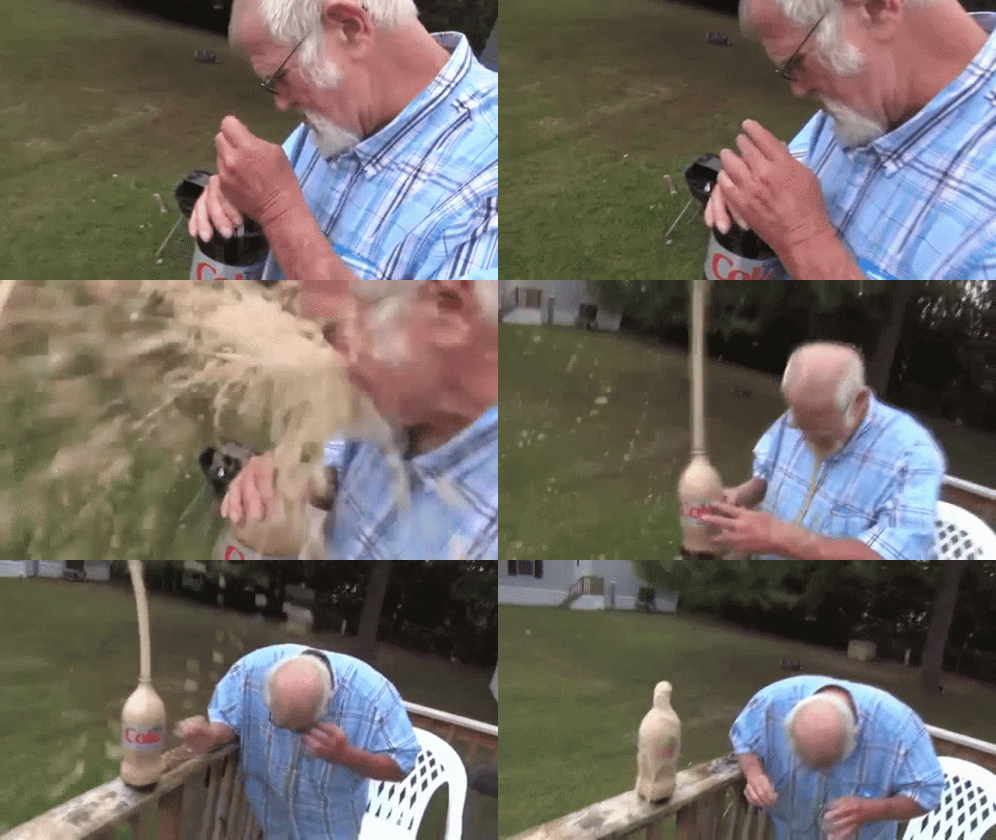
The beast exists, regardless of who or what created it. The raging online discourse. Right up there with climate change, I believe it’s our responsibility not to add more fuel to the fire.
And it’s knowing the particular embers to avoid. Those on a self-assigned one man mission to trumpet the ‘freedom of speech’ refrain by saying something deemed controversial as loud as they possibly can (whether they mean what they’re saying or not) mostly just succeed in validating those with the very worst intents.
For a great discussion on this in the world of comedy, listen to James Acaster on a recent episode of Marc Maron’s podcast.
Disagree to disagree
Growing up I was quite outspoken. Points of View clearly rubbed off on me. In recent years I’ve begun to bite my bottom lip a little more.
I think this started around 2016. I’ll never forget going to the pub with a colleague on the day of the EU referendum result (I won’t say the B word). The barman greeted us and we told him that we’d come to drown our sorrows. “Not the result you wanted?” he said. In that moment, we both knew not to drive this conversation any further, replied with a simple “nah” and ordered our drinks.
Somewhere along the way I’d clearly learnt to pick my battles. The problem now is knowing how to act when the lines that mean the most to us are crossed. This is something I really struggle with. It’s seen me walk away from social occasions and avoid people I anticipate a possible confrontation with.
Life in the Echo Chamber
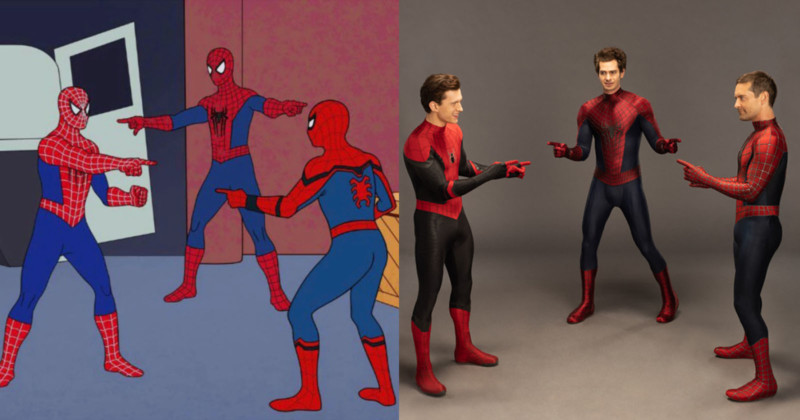
I’m painfully aware of the risks of building up invisible walls around ourselves. I’m also slightly terrified at the alternative prospect of having to traverse the rubble.
Two days of very pleasant buisness events I attended earlier this month ended with a bit of an elephant in the room. In the last hour or two of the Thursday session, a quick glance at my phone brought the unexpected news about the Queen. I glanced around the venue and could see other people paying more attention to their phone than we had been all day and I figured they were reading the same reports.
At that point it hadn’t been confirmed that she’d passed and very little seemed to be said between people about it as the event came to a close.
It was made official to me in a post as I was scrolling through Instagram an hour or so later. Shortly after that my entire feed was full of friends and those I follow acknowledging the news or sharing tributes to the Queen. I was quite surprised at the extent of this and the general consensus of opinion.
I can’t say I’ve ever paid much attention to The Royal Family, although I recognise the Queen’s role as a symbol, in a society where symbols are a big part of the way we’re wired. We’ve been going through and are continuing to to go through huge turning points in the world and the ways that we live. To have the Queen pass at this moment in time just makes a move from one era to the next more clearly defined. Even someone as apathetic as me can appreciate that.
It wasn’t until the next day that I looked at Twitter and was surprised all over again. The opposing views on monarchy I’d expected I see interspersed with others mourning were all hanging out here. Just as I was surprised at the respect on Instagram, I was a bit taken back by the spite on Twitter.
I know that I share similar views with the majority of people I’m connected to online. For better or worse, I’ve structured it that way. What was different this time around is that the group had split to express their contrasting views in two different rooms.
I, and I expect a fair few other onlookers have spent the past fortnight keeping a low profile elsewhere in the house, or getting some air out back, bracing ourselves for the next big debate.
 Liam Toms