“Vinyl’s back!” those of us over the age of 30 still casually proclaim in conversation, blissfully ignorant to the fact that it’s been back for over a decade now. Some might argue it never really went away.
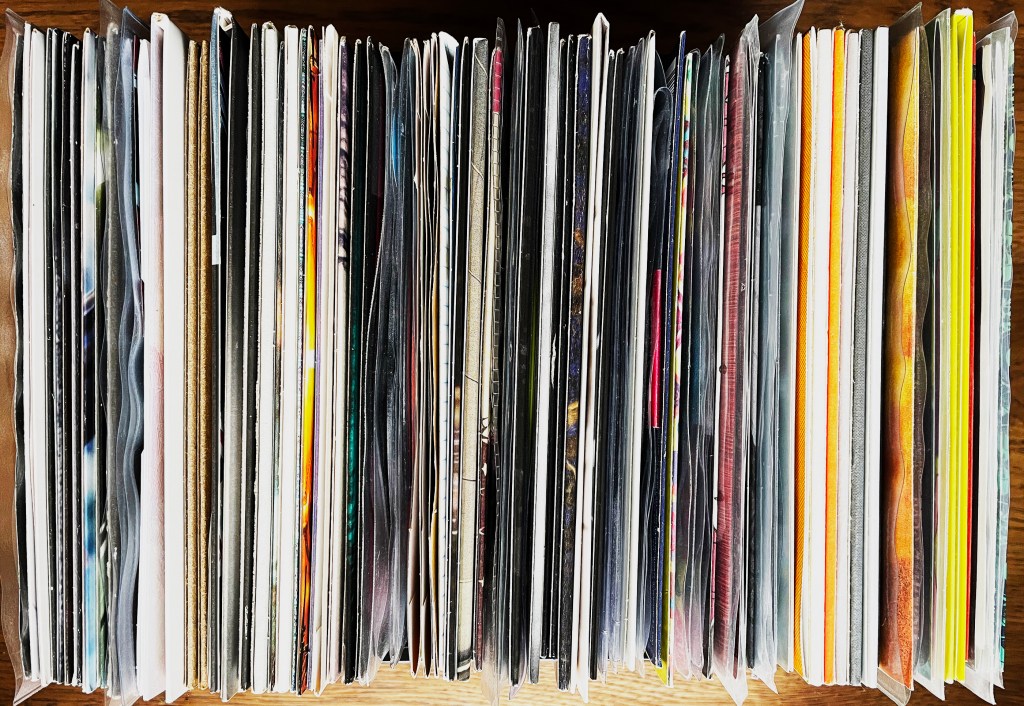
“A decade! Surely that can’t be right?” – the response, followed by an exploding head emoji, or the offline equivalent. Well, this BBC News article caught me off guard too when I happened to see it recently:
“UK’s first official vinyl chart launched as sales rise – Despite predictions that CDs – then MP3s and streaming – would render vinyl obsolete, sales reached an 18-year high at 1.29 million.”
The year they were referring to was 2014, the article published on 13th April 2015. Just in case you breezed over that as I regularly do, I’ll repeat 2015, not 2025.
We can be forgiven for still saying “Shady’s back” 23 years after the fact (sorry if that one hurt too), those are song lyrics, but we might want to check ourselves on the vinyl front. To be ‘back’ after a decade is like saying “Happy New Year” past the first weekend in January.
And, it’s not as if it’s only been a decade. Record Store Day, widely regarded as the defibrillator unit that resuscitated a dying format, started pumping out the beats of Stayin’ Alive and Nelly the Elephant (I really hope that reference lands) in 2007.
By 2010 I learnt the hard way, turning up to my local, Square Records of Wimborne to be told the limited edition exclusive RSD pressing of The Hold Steady’s Heaven Is Whenever had sold out and I needed to have been there at 3am, not 3pm (which I did the following and in subsequent years – read about my most recent RSD trip here).
This article wasn’t conceived entirely in response to an observation that we overlook time having passed, I’m sure I don’t need to convince you of that fact. I’m more interested in exploring what the rebirth of vinyl looks like in its adolescent phase.
Warning: Shameless name dropping follows.
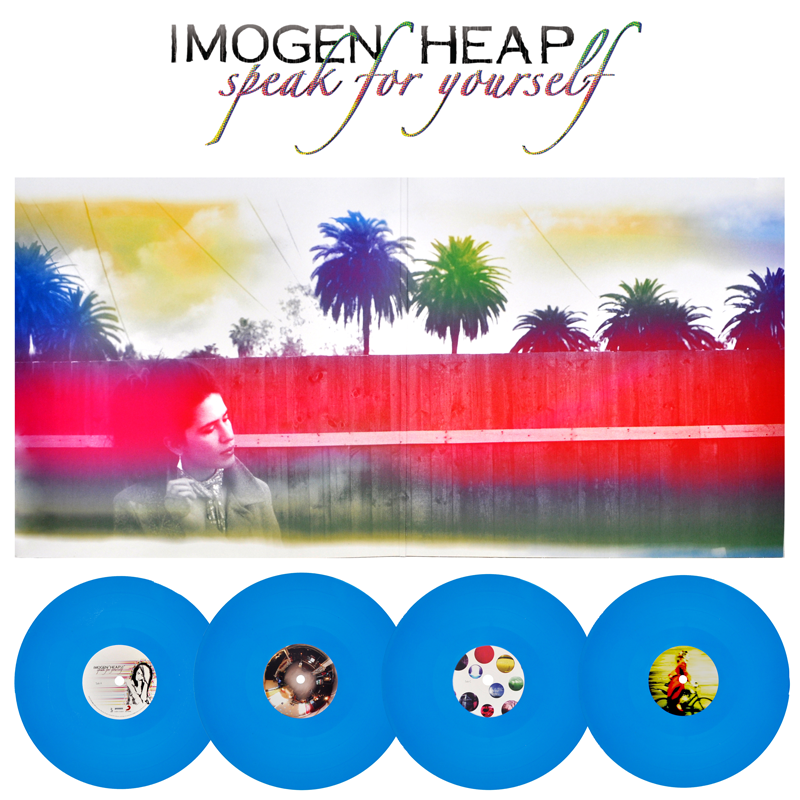
Last week, Imogen Heap announced a 20th anniversary (yep, two decades, sorry again) vinyl pressing of her album Speak for Yourself. These milestone acknowledging releases are now commonplace. That doesn’t detract from how beautiful this one looks and the remaster is promised to sound, but if there wasn’t similar pressing from another artist announced this week, there will be next. My bank balance can attest to that.
What really stopped me in my doomscrolling tracks about this one is that I was responsible for the first pressing of the album in 2013.
Years down the line, with other priorities at the forefront in my mind, I take this bizarre anomaly that occurred in my life somewhat for granted. Day-to-day it takes an announcement like this from Imogen (or watching her perform for the Garden State 20th anniversary livestream recently) to put in perspective how skewed things were that our two-man run label put out the vinyl pressing and how lucky we were to exist in the fleeting moment that was this chapter of vinyl being back.
Essentially, it took the major record labels a while to realise that vinyl was back too (let’s cut them some slack on this one), or perhaps the reality of the sales numbers were further down in the noise than they needed to get at this point in time. Either way, small labels like ours, with a modicum of a track record could approach a licensing department at say Warner Brothers Records or Sony Music and ask / pay permission to press an album to vinyl. Unless you were total morons in their estimation (some shysters slipped through net) they generally said yes.
In truth we were actually a bit late in the game. A lot of back catalogue albums that would sell the 500, 1000 or so units needed to make doing this, at the very least, cover its costs had already been pressed. The art was in recognising a record that hadn’t, which might be worth the gamble. It really helped if you 1, liked the artist and could convey that authenticity to their fanbase and 2, had the blessing of the artist (the shysters often didn’t and in some cases this backfired on them spectacularly).
What seems barmy now is that the artists didn’t do this themselves. Again, it was also likely further down in the noise than they needed to get and they may not have had the in-house expertise (or honestly, the awareness of how relatively simple it was) to go about it. Above all else, their existing contracts with the labels over ownership etc. of the material may have complicated or restricted them from licensing it. Two fanboys from Dorset could though! Yep, absolute madness.
I’m so grateful to have had these unique opportunities to leave a small imprint on music fandom and collector culture. I feel that exploding head emoji when I’m reminded that our label name and logo is sitting on the shelves of people’s record collections across the planet.
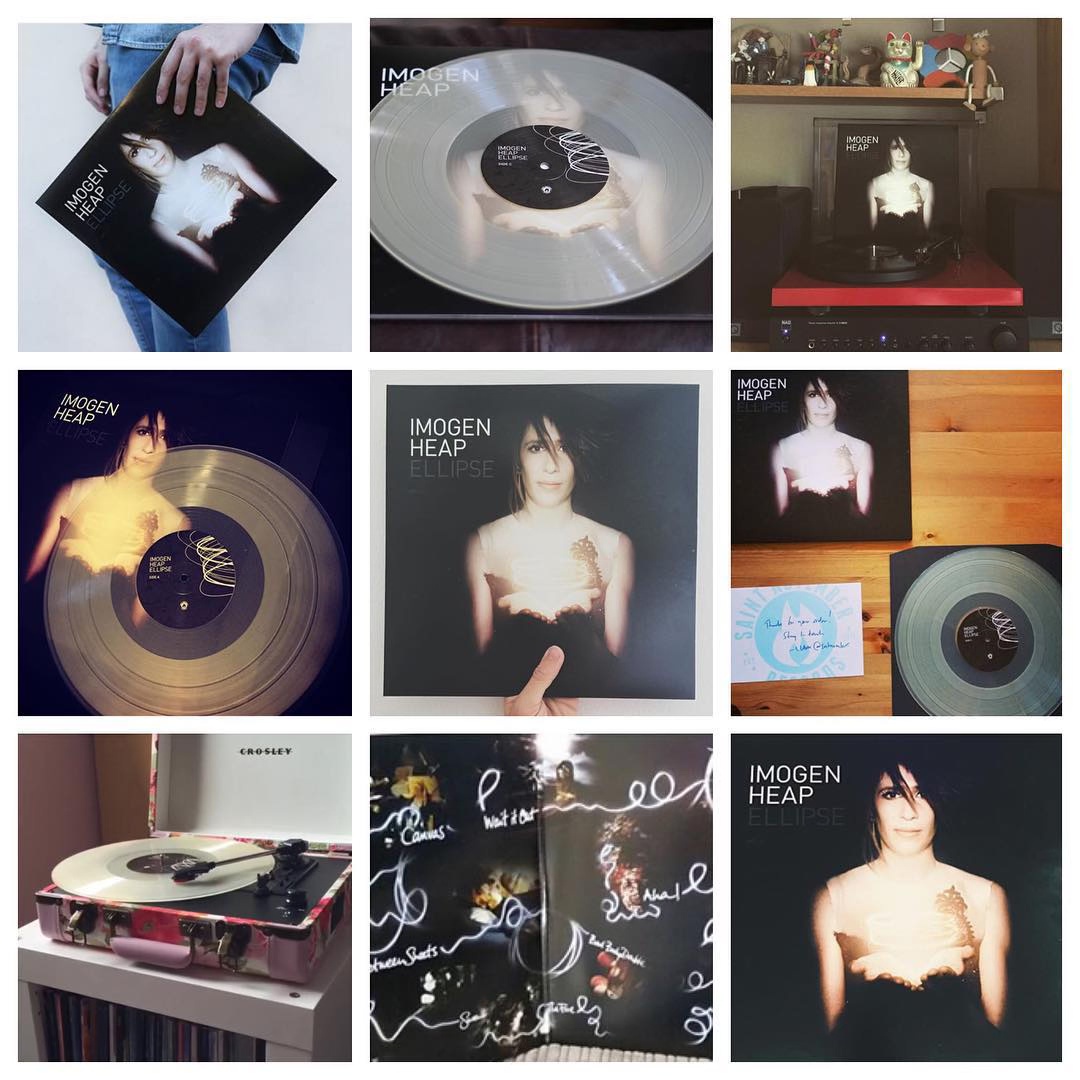
I’m proud of how we conducted ourselves in terms of the respect given to the artists and fans buying from us. I’m confident this was recognised because of what was given back to us. Artists like Imogen entrusted us with new releases, and some of their fans became friends who I’m still in touch with to this day (hello to those reading! 👋).
That the artists are now leading on the subsequent pressings of their music feels like the correct order of things has been restored though.
The circumstances that changed for artists to need to take the reins, where perhaps they once didn’t is, sadly, not always clear enough for general audiences in my opinion. When illegal downloads followed by streaming killed sales of recorded music, artists pivoted to touring. Rising costs, the indefinite hiatus caused by the pandemic, then even greater rising costs coming out on the other side has now driven touring to the point where even relatively successful singer-songwriter Kate Nash is selling photos of her bum to cover her tour bus costs (and power to her for that, despite the fact it shouldn’t need to be the case).
Unless you have significant streaming numbers, your best bet as an artist in this modern climate is probably merchandise. In a delightful moment of foreshadowing for me, I actually wrote an assignment for my undergraduate degree on the prospect of this concept in 2008.
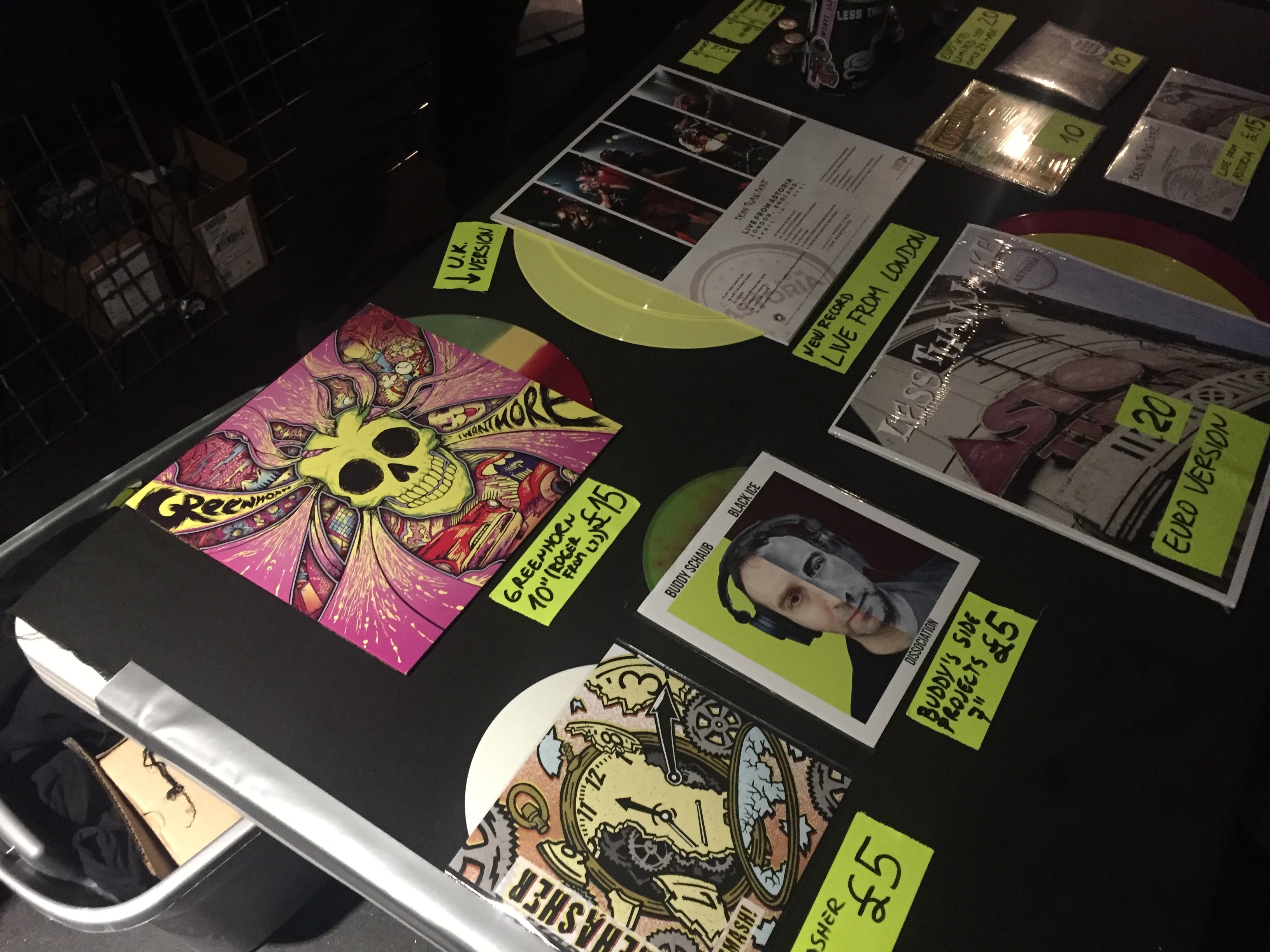
Vinyl wasn’t considered merchandise as such in the obvious t-shirt, badge, sticker, etc. sense back when it was relied on as the vehicle for the main act, the music itself. Streaming provides music to us now with infinitely more convenience. We don’t need vinyl. Most of us likely buy it, not even because we believe the arguments about warmth or quality of sound, but because it’s a collectable. A tangible statement piece for yourself, or in performance to others that we’re serious about liking an artist, to the sum of FIFTY POUNDS(?!!) for a 12” record in 2025.
Damn, this was all beginning to sound really nice and making sense.
I visited a record shop last month and saw the eye watering £50 price tag on exactly the type of back catalogue release from an artist with a core fan base that we would’ve made a beeline to work with.
In a tenuous defence, I think it may have been imported stock of a limited run. Despite the reasons, and the levels of folks involved who need to make a big enough cut to cover those rising costs, the price points we’ve reached within 15 years (our first 12” release in 2012 was £15) signals a potential turning point for vinyl’s future chances of staying back.
Can it maintain its guarantee of a return on investment for buyers when the hurt of the cost outweighs the good feeling the product offers? Do fans continue to buy, but only for a favourite artist, shifting to a focused collection on one act, supplemented with lower cost items, rather than maintaining a broader vinyl collection?
Near enough everything that realistically could been pressed, has now been. The joke was on me for my April Fools Day post in 2016 about our next vinyl pressing being the Spice Girls’ debut album Spice. The brash, underlying implication here was that there wasn’t an audience for it, more so than the reality of us getting the rights. I think the domain used led to a Rickroll.
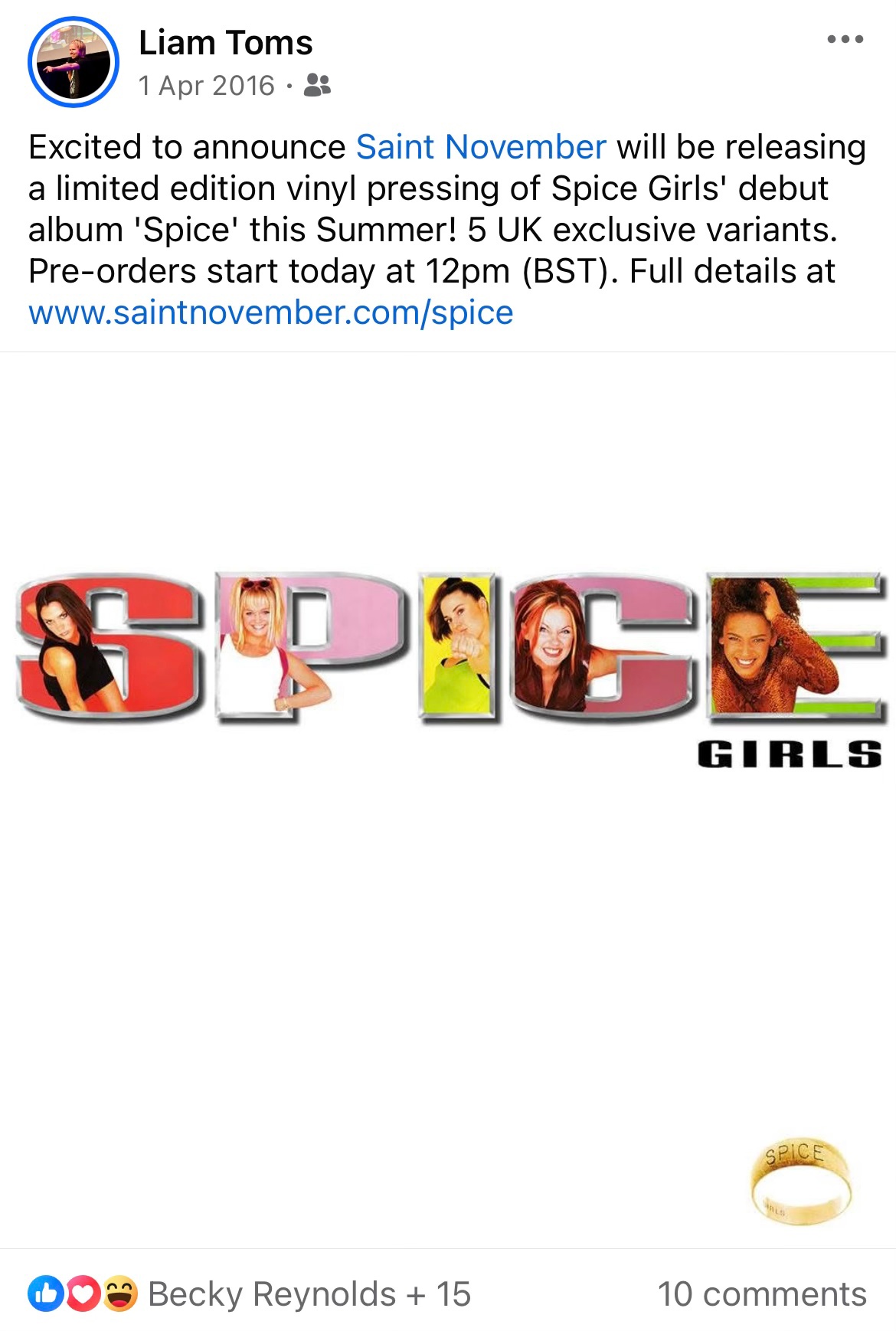
Spice was released on vinyl less than six months later (not by us!) for its 20th anniversary. The supposed variants for each of the five members I lied about, did actually follow for their 25th year in 2021. In fact, if I’d cared to do my research before shouting my mouth off I’d have learnt that there was even a US pressing prior to this in 2015.
So, now the back-catalogue well has more-or-less dried up and most new releases get a vinyl pressing as standard, we are far, far past nostalgia. The “youngsters” buying vinyl anecdotally referenced in conversation would have grown up with its existence being the norm. Vinyl IS back baby, what’s more likely now is that it could be reaching for its jacket. 🎤
Ps. Here’s a 2025 rendition of that BBC article… https://www.bbc.co.uk/news/articles/cg7rl3z3jmzo


2 thoughts on “Nostalgia or the norm? Unpacking the curious case of vinyl’s long play”